LimoExpertz arranges duty of care for Vancouver, British Columbia. The desk phone is +1-877-466-6633 and the desk email is support@limoexpertz.com. This guide is about how the trip is booked, met, and recorded. It does not quote a made-up local fare.
Passengers use this service for a defined pickup, a named stop order, and a chauffeur who is told the meeting point before the car rolls. In Vancouver the usual anchors are Vancouver International Airport, Pacific Central Station, and the districts Downtown Vancouver, Yaletown, Coal Harbour, and Richmond. A transfer is one agreed route. An hourly job keeps the car and driver for the time you reserve.
How the booking works
Start in the booker or with a call. Say whether you need duty of care for a single ride or for hours. Name the first pickup, each stop, and the final drop. If the trip begins at Vancouver International Airport, the flight number belongs on the reservation so the meet can follow the arrival rather than a guess. If it begins at Pacific Central Station, name the exit or the door you will use.
The reservation should also carry the passenger mobile, the luggage count, and any note a chauffeur needs in order to find the right person. Child seats, extra stops, and a return the same day are part of the note, not a surprise at the curb. Corporate bookers add the company name and the cost centre so the line can be reconciled later.
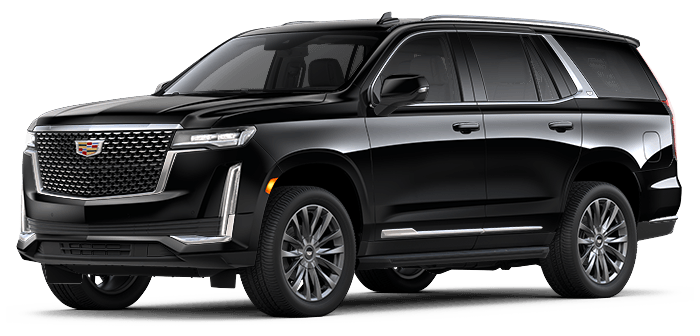
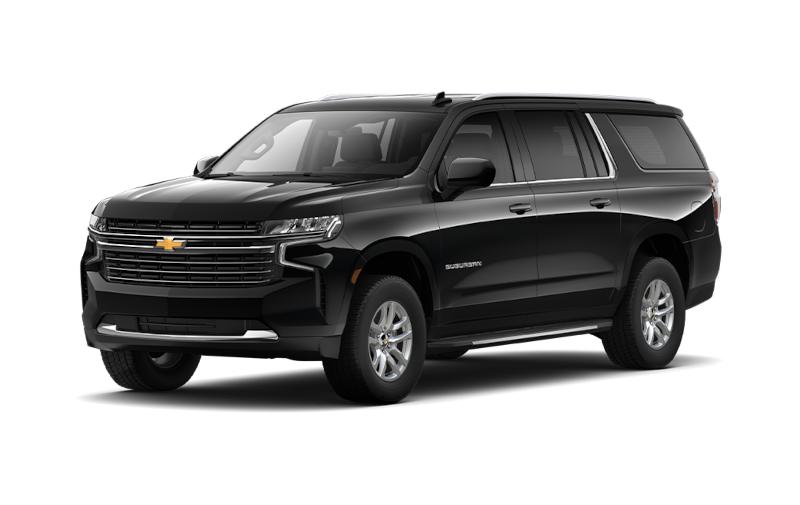
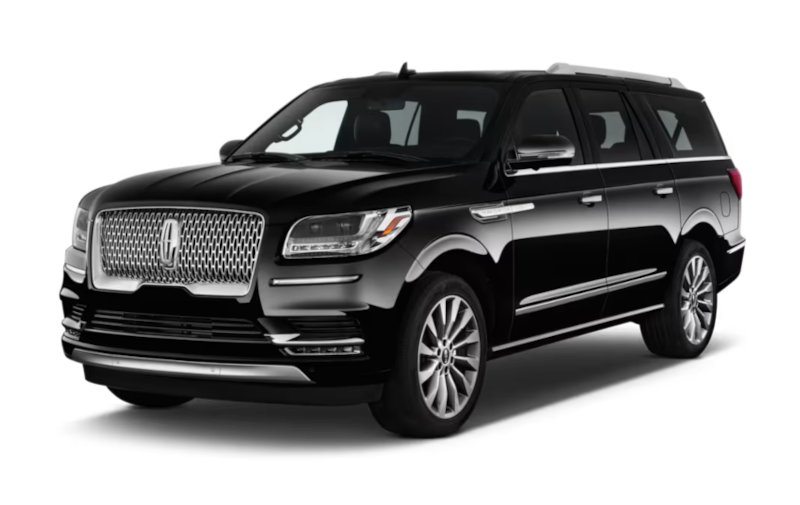
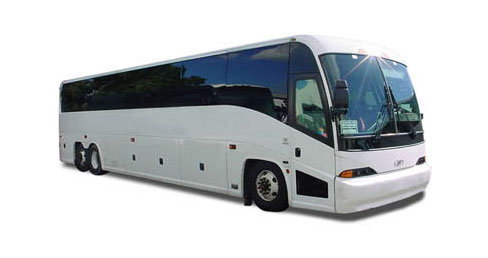
LimoExpertz confirms the car class in plain language: sedan, SUV, van, or a larger vehicle when the group needs it. The class is chosen for the number of passengers and the luggage, not by a slogan. A stretch or a party bus is a different reservation from an executive sedan, and the two should not be mixed on one vague request.
Book this ride
Call +1-877-466-6633 or send the trip in the booker. Email support@limoexpertz.com.
Airports, stations, and meeting points
For Vancouver, the airport reference is Vancouver International Airport. Use the operator's own site for terminal maps and the official advice on where vehicles may wait. This page does not replace that map. The chauffeur meet is the door you and the desk agreed, written on the reservation.
Rail and downtown meets use Pacific Central Station. Station forecourts change which lane is open to cars. Put the exit in the note when you know it. Downtown pickups in Downtown Vancouver, Yaletown, Coal Harbour, and Richmond work best with a street number or a hotel name, because a district name alone is not a curb.
Routes dispatchers see most often
- Downtown Vancouver to Vancouver International Airport: a morning departure with the chauffeur staged before the lobby call.
- Vancouver International Airport to Yaletown: an arrival with the name board at the agreed door, not at a random curb.
- Coal Harbour to Pacific Central Station: a rail connection when the train time is fixed and the platform exit is named in the note.
- Yaletown to Richmond: an as-directed loop that stays on the clock instead of being rebuilt as separate transfers.
- Richmond to Downtown Vancouver: a return to the hotel or office when the last meeting runs long.
- Vancouver downtown to Vancouver International Airport: a late arrival where the flight number is on the reservation before the car is dispatched.
Each of those routes can be booked as a transfer or placed inside an hourly window. The hourly window is the right tool when the passenger is not ready to lock the last stop, or when several meetings sit in Vancouver on one clock. The transfer is the right tool when the start and the end are already known and there is no waiting in between.
Vehicles and who rides
Executive sedans cover one to three passengers with standard luggage. SUVs cover more bags or a small family. Vans and sprinter-style vehicles cover a delegation that must stay together. A wedding party, a roadshow, and a hospital visit do not want the same briefing, even when the vehicle class matches. Tell the desk which of those jobs it is.
In Vancouver the people who book duty of care are usually travelling for work, for a flight, or for a fixed event. Assistants book for someone else and need the passenger's mobile on the job. Families book airport runs and evenings. Promoters and tour managers book quiet moves between a venue and a hotel. The reservation reads the same way in each case: who, where, when, and how the car is released.
Accounts, duty of care, and payment
A company that repeats this trip should use an account instead of a new card each time. The account names who may book, which vehicle classes are allowed, and which cost centre prints on the statement. Journey notes stay on the file so a travel manager can see that the pickup happened. That is the duty-of-care record. It is a trip log, not a claim that a government filed the page.
When a card is the payment method, the credit card authorization form is the document that permits the charge. The cardholder name on that form must match the card. If the cancellation deadline has passed, the form allows the charge described in the terms you accepted. Read the terms page before you sign. A minor passenger is a different form: a parent signs the minor release, and a minor under 16 travels with an adult.
Employees on a shift, a board on a roadshow, and guests on a hosted evening can share one account and still have separate trip lines. The desk does not need a new company profile for each city. It needs the city, the time, and the authority of the person who booked.
What the search figures mean
Vancouver does not have a separate volume in the Canada pull used for this page. The Canada figures that were returned are Toronto and Mississauga phrases, and they are not retitled as a Vancouver total.
LimoExpertz does not turn those counts into a price. Ask the desk or use the booker for the quote on your date, vehicle, and route. A national count is never relabelled as a local ride total.
A working day on this reservation
A typical duty of care day in Vancouver starts when the reservation is already complete, not when the passenger is standing outside. The desk has the pickup point in Downtown Vancouver, the passenger mobile, and the vehicle class. If the first movement is to Vancouver International Airport, the flight is on the job and the meet door is the one written in the note. The chauffeur is not asked to invent a door at the terminal.
On an hourly booking the clock starts at the agreed time. Waiting inside that window is part of the reservation. A new stop in Yaletown or Coal Harbour is a change to the same job, not a second booking, as long as the car is still assigned. If the day ends at Richmond, the last instruction is the drop, and the chauffeur does not keep a passenger in the car for an unstated second trip.
On a transfer, there is no open clock. The car runs the route that was priced in the conversation with the desk. Extra time at Pacific Central Station is a new instruction and should be added before the chauffeur has left the previous point. That is how the statement stays honest for the person who later reconciles it.
What the chauffeur is told
The briefing is the reservation, read as written. It includes the passenger name, the mobile, the pickup, the stops, the vehicle, and any line about luggage or a name board. It does not include a guess about a hotel the passenger did not name. In Vancouver the difference between Downtown Vancouver and Richmond is large enough that a missing street number sends the car to the wrong curb.
For duty of care the briefing also says whether this is a quiet client move, a family arrival, a wedding, or a staff shift. Those are different manners at the door. A hosted client is met in your company name. A board member is met to the name on the list. A minor is met only when the release is already on file and an adult is on the job if the passenger is under 16.
Luggage, waiting, and changes
Luggage is part of the vehicle choice. A sedan that is right for two people with carry-ons is the wrong car for a family leaving Vancouver International Airport with a week of bags. Say the bag count when you book. Oversized pieces belong in the note so the desk can move the class before the chauffeur is on the way to Yaletown.
Waiting rules follow the reservation. An airport meet waits against the flight you provided. A downtown meet in Coal Harbour waits against the clock you booked. A no-show is handled by the desk calling the mobile on the job, then the booker. It is not handled by the chauffeur leaving without a call. If you need a longer wait, extend the hourly window rather than assuming the transfer includes it.
Weather, road closures, and a late inbound at Vancouver International Airport are operational facts. The desk updates the meet when the flight record changes. You help that update by leaving a mobile that is switched on. A reservation with no mobile is harder to save when the terminal door changes.
How this differs from hailing a car
A hail has no named chauffeur, no flight on file, and no statement line. Duty of care chauffeur reporting in Vancouver is the other product. You know the vehicle class before the day, you know who may change the job, and you can read the trip afterward if it sits on an account. That is the reason a company uses the desk for duty of care instead of sending staff to the curb at Downtown Vancouver.
The booker in the middle of this page is the same booker the desk uses for a phone reservation. You can submit the trip there, or call +1-877-466-6633 and the coordinator will enter it. Email support@limoexpertz.com is for documents, account setup, and a question that does not need a car in the next hour. For a car today, use the phone or the booker.
Nearby districts on the same reservation style are Downtown Vancouver, Yaletown, Coal Harbour, and Richmond. If your pickup is just outside Vancouver, still name the street. The city guide is not a promise that every side street has the same meet rule. The meet rule is the one on your reservation.
Related guides and desk pages
More for this city: Hourly chauffeur service in Vancouver, Airport limousine service in Vancouver, Corporate limousine account in Vancouver, Black car service in Vancouver.
Desk pages: corporate accounts, services, Toronto airport limo, fleet, contact, card authorization, minor release, and about LimoExpertz.
Questions
How do I book a duty of care in Vancouver?
Use the booker on this page, call +1-877-466-6633, or email support@limoexpertz.com. Give the date, the pickup point, the stop order, and whether the job is hourly or a single transfer.
Is the search count on this page a fare?
No. Every figure is a monthly Google Ads search volume for the exact phrase and the country named in the same sentence. It is not a price and it is not a count of completed rides.
Can a company put this on an account?
Yes. Nominated bookers, a cost centre on each trip, and one statement are handled on the corporate account. The credit card authorization form is separate and is used when a card is the payment method.
What should I send for an airport pickup at Vancouver International Airport?
Flight number, terminal if you know it, passenger name and mobile, luggage count, and the exact drop address. The chauffeur meets at the agreed door after the flight is on the reservation.
Do you publish a street address for Vancouver?
No street office is invented for this city. Dispatch is by phone and the online booker. The service area named on the site is Toronto, the GTA, and Ontario, and trips in Vancouver are arranged through that desk.
Where is the cancellation rule?
The cancellation terms on the reservation and on the terms page control the job. If the deadline has passed, the authorization you signed allows the agreed charge. Read that line before you submit the card form.